Perché la guerra in Iran non è solo geopolitica
TL;DR
This video argues that the current conflict involving Iran is deeply rooted in ideological and eschatological beliefs held by key figures in the US and Israel, particularly concerning the rebuilding of the Third Temple, rather than solely geopolitical interests.
Key insights
The Iran war is framed by ideological and eschatological beliefs, not just geopolitics.
- Both the US and Iran operate with end-times doctrines that influence their foreign policy decisions.
- Specific factions within the US military and political spheres hold strong religious convictions that shape their view of the conflict.
- The concept of the 'Third Temple' in Jerusalem is a significant driver for certain religious groups, influencing their support for specific political actions.
Key figures in the US administration are influenced by or actively promote religious ideologies that impact foreign policy.
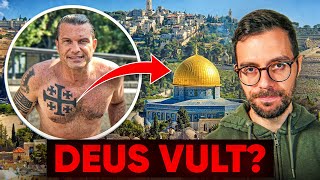
- Secretary of Defense Pete Hegseth's tattoos (Jerusalem Cross, 'Deus Vult') symbolize a crusader mentality influencing his strategic outlook.
- Paula White-Cain, an advisor in the White House Office of Faith and Opportunity Initiatives, promotes the 'Seven Mountain Mandate,' aiming for Christian dominion over societal spheres.
- Donald Trump is portrayed by some religious figures as a divinely appointed leader, akin to Cyrus the Great or Jehu, to fulfill biblical prophecies.
Christian Zionism and Dispensationalism heavily influence American evangelical support for Israel and aggressive stances against Iran.
- Dispensationalism posits a timeline of events culminating in the return of Christ, with the rebuilding of the Third Temple as a key precursor.
- Supporting Israel is seen as accelerating God's plan, while actions perceived as detrimental to Israel (like the JCPOA) are seen as delaying it.
- Figures like John Hagee and Christians United for Israel (CUFI) mobilize millions of evangelicals with this theological framework.
The concept of rebuilding the Third Temple in Jerusalem is a focal point for both Christian Zionists and the Chabad Lubavitch movement, albeit with different ultimate goals.
- For Christian Dispensationalists, the Third Temple's rebuilding triggers the Apocalypse and the return of Christ.
- For Chabad, the Third Temple signifies the inauguration of the Messianic Era and Jewish sovereignty, without the Christian Armageddon.
- The political alignment of figures like Jared Kushner with Chabad and the financial backing of pro-Israel politicians by figures like Miriam Adelson highlight the intersection of religious and political power.
Key moments
- 00:00Introduction to the ideological dimension of the Iran war, contrasting it with geopolitical reasons and mentioning the book 'Le ragioni della guerra'.
- 00:02The Iranian regime's eschatology, focused on preparing for the return of the hidden Imam and resisting American imperialism and Israeli Zionism.
- 03:00Pilaster 1: Pete Hegseth and the Pentagon's ideology, symbolized by his tattoos and 'Deus Vult' motto, reflecting a crusader mentality.
- 12:19Pilaster 2: Paula White-Cain and the White House's embrace of the 'Seven Mountain Mandate' (Dominionism), framing Trump as a divinely chosen leader.
- 18:23Pilaster 3: The apocalyptic significance of the Third Temple in Jerusalem for both Christian Zionists and the Chabad movement, and their differing motivations.
- 24:15The role of financial backing, exemplified by Miriam Adelson's donations to pro-Trump Super PACs, in supporting a hardline stance on Israel and Iran.