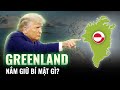
Vì sao Donald Trump MUỐN “CHÉN” Greenland? | Thành Nguyễn | Thế Giới
TL;DR
This video explores the strategic importance of Greenland, its historical and current geopolitical significance, and the potential future scenarios involving major global powers vying for influence in the Arctic region.
Key insights
Greenland's Strategic Importance and Historical US Interest
- The US has shown consistent interest in acquiring Greenland, dating back to William Seward's proposal in 1867, shortly after the Alaska purchase.
- Subsequent presidents like William Taft and Harry Truman also considered purchasing Greenland, highlighting its perceived strategic value.
- The video draws parallels between past attempts and current geopolitical dynamics, suggesting a recurring strategic interest in the island.
Geopolitical Significance of Greenland's Location
- Greenland's strategic location between North America and Europe, on a direct route between Moscow and New York, makes it a critical 'choke point' for military and trade.
- The melting ice caps are opening new shipping routes, like the Northern Sea Route, increasing Greenland's strategic importance.
- The island's proximity to the Arctic Circle and its role in global shipping lanes are key factors in its geopolitical value.
The Role of Geography and Natural Resources
- Geographical features like mountains, rivers, and deserts act as natural barriers that shape political decisions and historical events.
- Greenland possesses significant mineral resources, including rare earth elements, which are increasingly valuable in a globalized economy.
- The melting of Arctic ice is not only opening new trade routes but also revealing potential resource deposits, further increasing the island's strategic importance.
Geopolitical Competition and Future Scenarios
- The video highlights the growing competition between major powers like the US, Russia, and China for influence in the Arctic region.
- China's investment in Arctic infrastructure and research, including icebreakers and bases, signals its ambition to become a major player in the region.
- The potential for conflict or cooperation among these powers in the Arctic remains a significant geopolitical consideration.
Greenland's Independence and Economic Viability
- Greenland's government seeks greater independence from Denmark, but its economy remains heavily reliant on Danish subsidies.
- The potential for mining and resource extraction offers a path to economic self-sufficiency, but faces challenges related to environmental concerns and international cooperation.
- The island's future hinges on balancing its desire for independence with the need for economic development and international partnerships.
Key moments
- 00:00Introduction to the topic of Greenland's strategic importance and US interest.
- 01:53Discussion on how geography and history shape geopolitical interests in Greenland.
- 04:22Review of historical US attempts to purchase Greenland and the underlying strategic considerations.
- 10:16Analysis of the geopolitical shifts and opportunities opening up in Greenland due to melting ice caps.
- 12:53Exploration of Greenland's economic potential through mineral resources and the challenges to independence.
- 14:20Discussion of future geopolitical scenarios and potential outcomes for Greenland.
- 17:20Examining Greenland from a systemic perspective, highlighting its role in global power dynamics.
- 19:53Overview of the current geopolitical landscape in the Arctic, with the US, Russia, and China as key players.